BEFORE THE AIM, THERE’S ACCESS
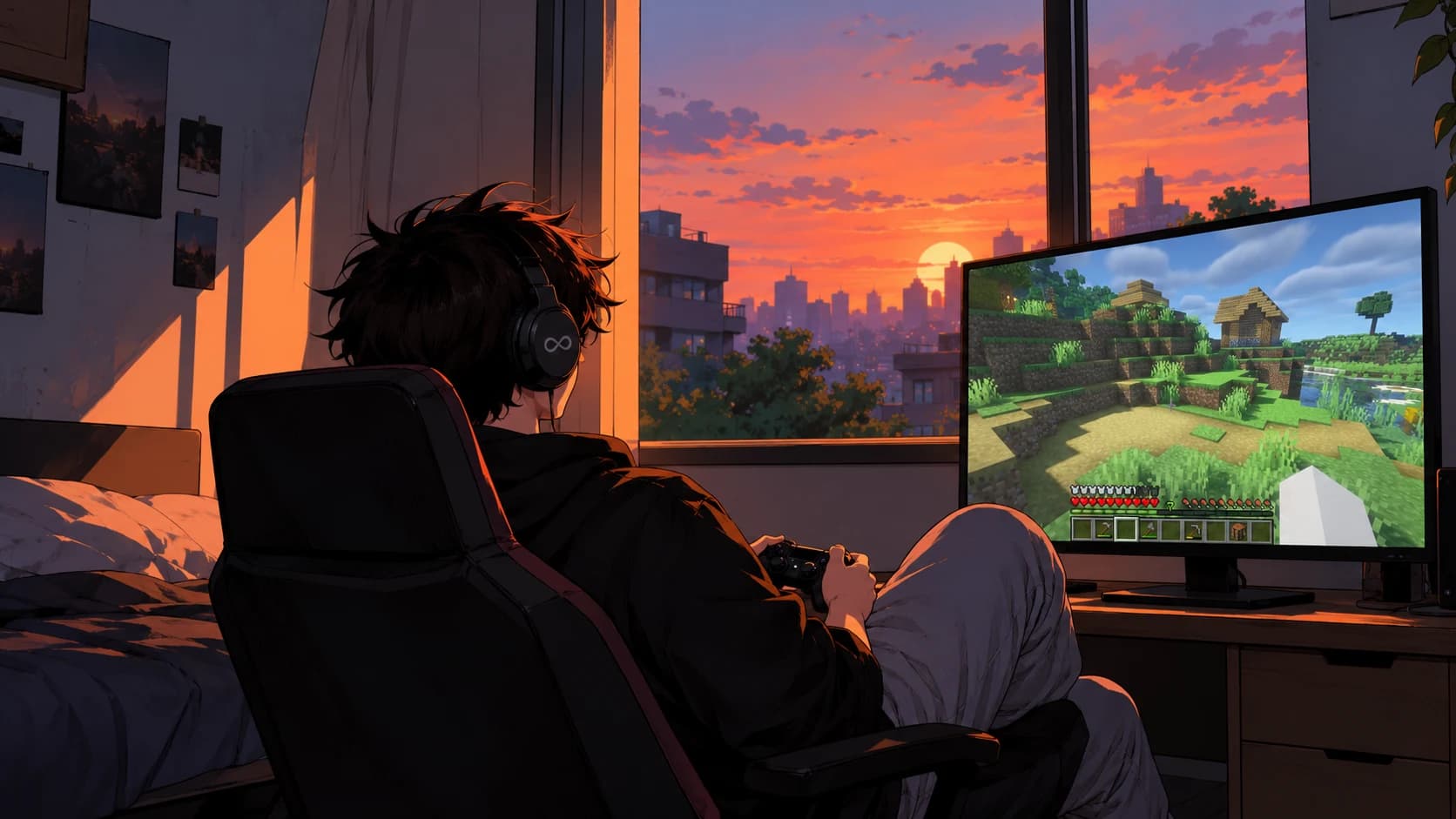
Access is one possible reason mobile esports can feel more within reach for Indian players. Someone who already owns a suitable phone may need fewer new purchases to start than someone assembling a PC setup. This is an argument about entry costs, rather than the relative talent of mobile and PC players.
A PC player may need a machine, monitor, peripherals, a place to use them, and reliable connectivity before meaningful practice begins. A phone can make that first step simpler for someone who already owns it. Neither route is free, and serious mobile competition has its own demands: performance, heat, connection quality, and consistent practice.
It is more useful to ask what prevents interested PC players from starting and staying in competition. Equipment is one barrier; access to practice, teammates, and regular events also matters.
A CALENDAR GIVES AMBITION SOMEWHERE TO GO
Mobile competition has visible examples of recurring support. KRAFTON India’s official history lists BGIS, BMPS, and other BGMI competitions across multiple years, alongside open-to-professional participation. Those are concrete events players can recognise and follow; they do not, by themselves, establish that mobile has reached a permanent peak.[1]
A repeatable competitive calendar gives a team a reason to practise together. Streams give spectators players to follow. Familiar events give new competitors a clearer sense of what the next step looks like. Our view is that these connections can reinforce each other: participation makes stories, stories attract attention, and attention helps organisers sustain competition.
MOBILE ENTRY
An existing phone can lower the first hardware hurdle. Consistency still needs practice, connectivity, and a suitable device.
PC ENTRY
A dedicated setup creates a larger initial hurdle. Shared equipment and reliable practice spaces can make that hurdle easier to cross.
PC HAS A PATH. MORE PEOPLE NEED TO REACH IT.
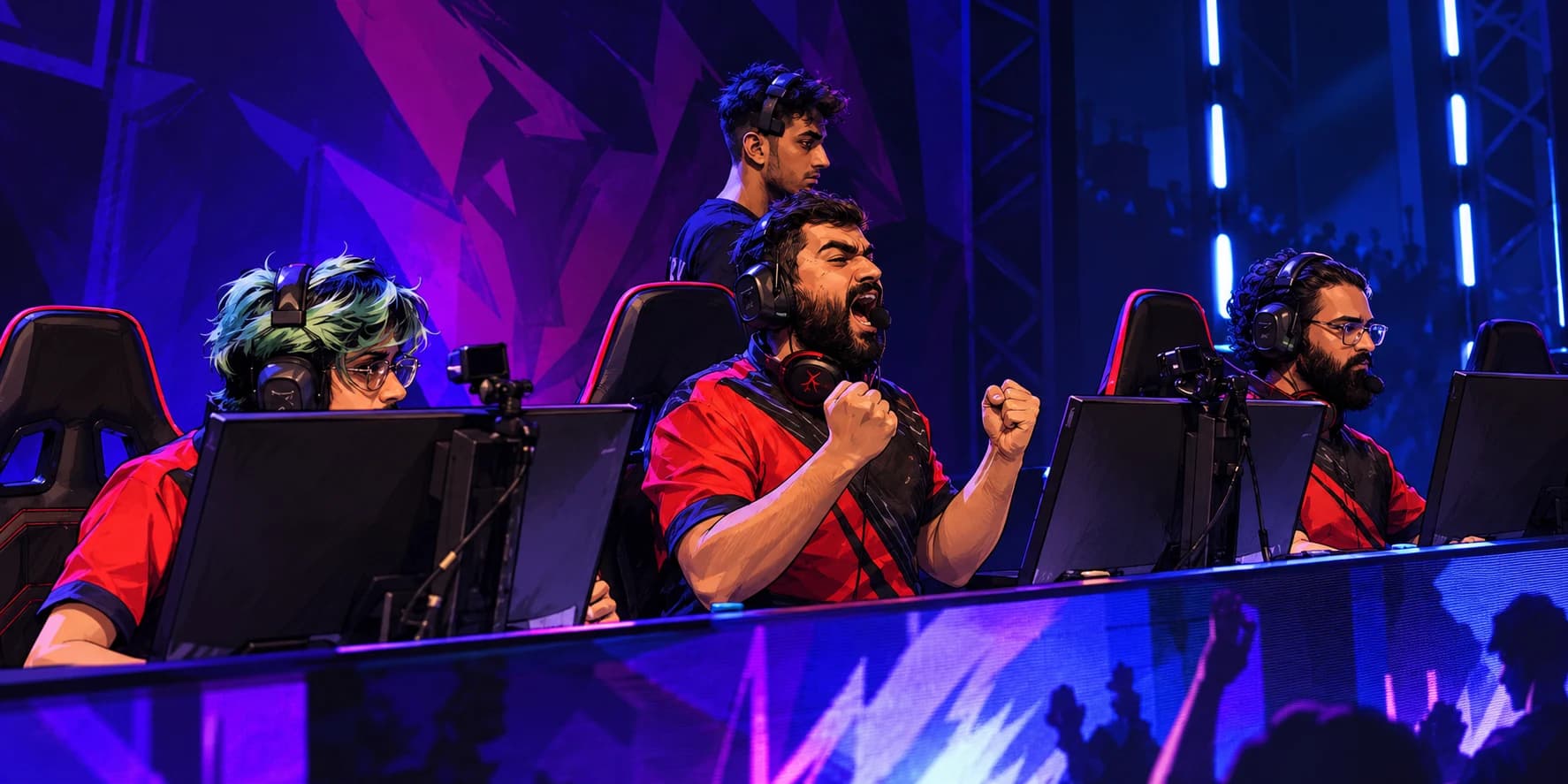
PC esports in India is not absent. Riot’s official VALORANT structure includes a South Asia Challenger League covering India, with Premier forming part of its amateur-to-professional pathway. The opportunity exists; access to a circuit and the ability to sustain preparation for it are different things.[2]
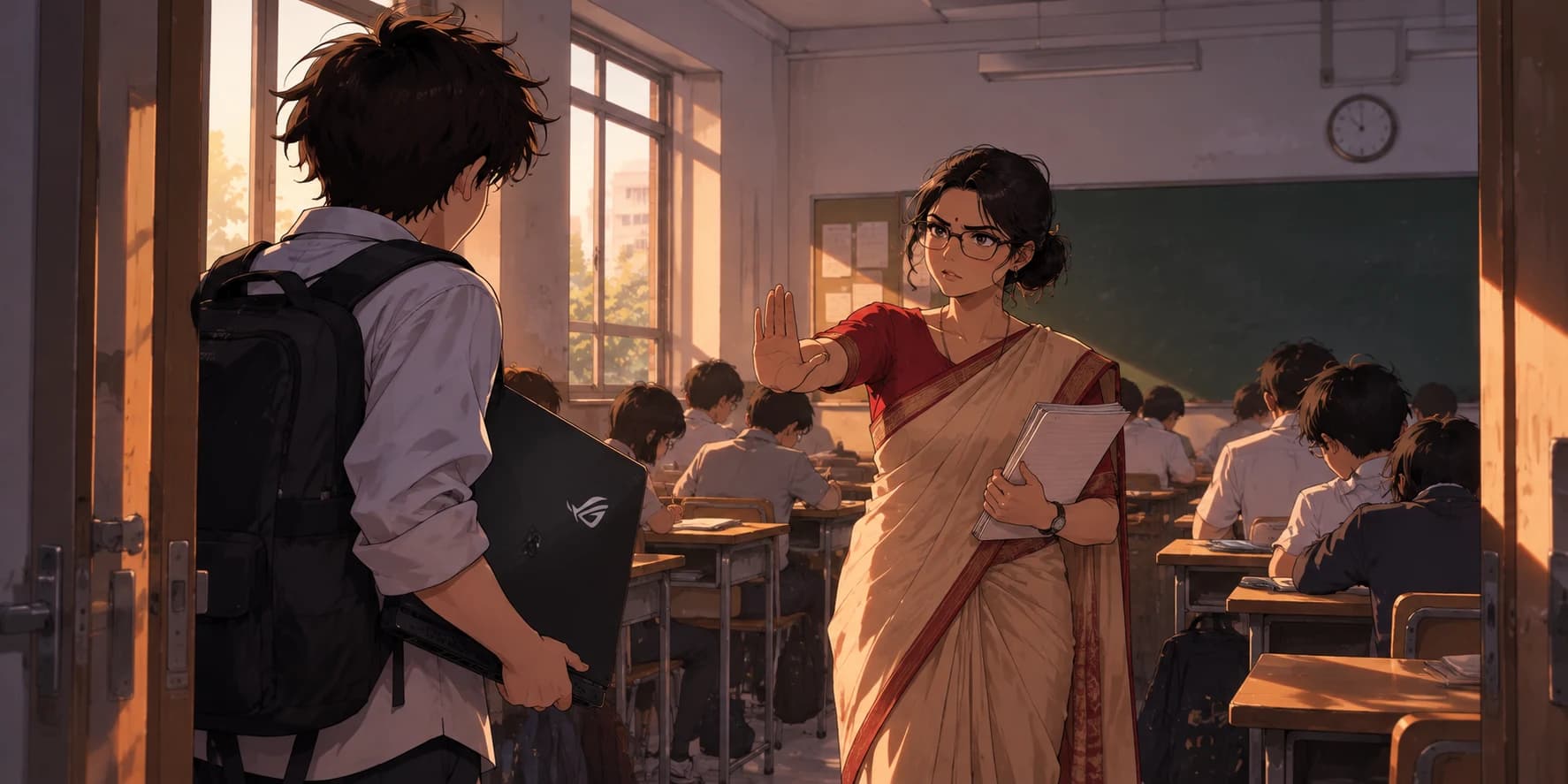
For a developing team, entry fees or hardware are only part of the problem. Coaching, useful scrims, review time, a stable roster, and travel can also be difficult to organise. A few headline events cannot replace that everyday work. An aspiring player needs regular chances to learn, not just a tournament poster to admire.
BUILD THE MIDDLE, NOT JUST THE STAGE
We would start with shared practice spaces, transparent local leagues, and affordable sessions on maintained equipment. Give amateur teams a calendar they can plan around. Publish rules early, explain eligibility, handle disputes fairly, and make the route from a local competition to a larger one easy to understand.
Support should reach beyond the strongest current roster. Coaches can teach review habits, organisers can keep schedules dependable, and communities can welcome new players without treating inexperience as a joke. Digital talent includes broadcast, editing, design, analysis, and event operations as well as playing.
ACCESS
Shared equipment and dependable practice spaces.
PRACTICE
Coaching, scrims, review, and a sustainable schedule.
COMPETE
Regular local events with clear rules and progression.
ROOM FOR BOTH SCREENS
India does not have to choose one device to take esports seriously. Mobile participation can be a strength while PC opportunities expand. The useful challenge is to make a player’s next step depend less on the equipment they happen to own and more on the effort they can put into their craft.
For INFIRALS, this means considering how players across games can access teammates, practice, and competition as we develop our esports plans.