A LITTLE ROOM TO BREATHE
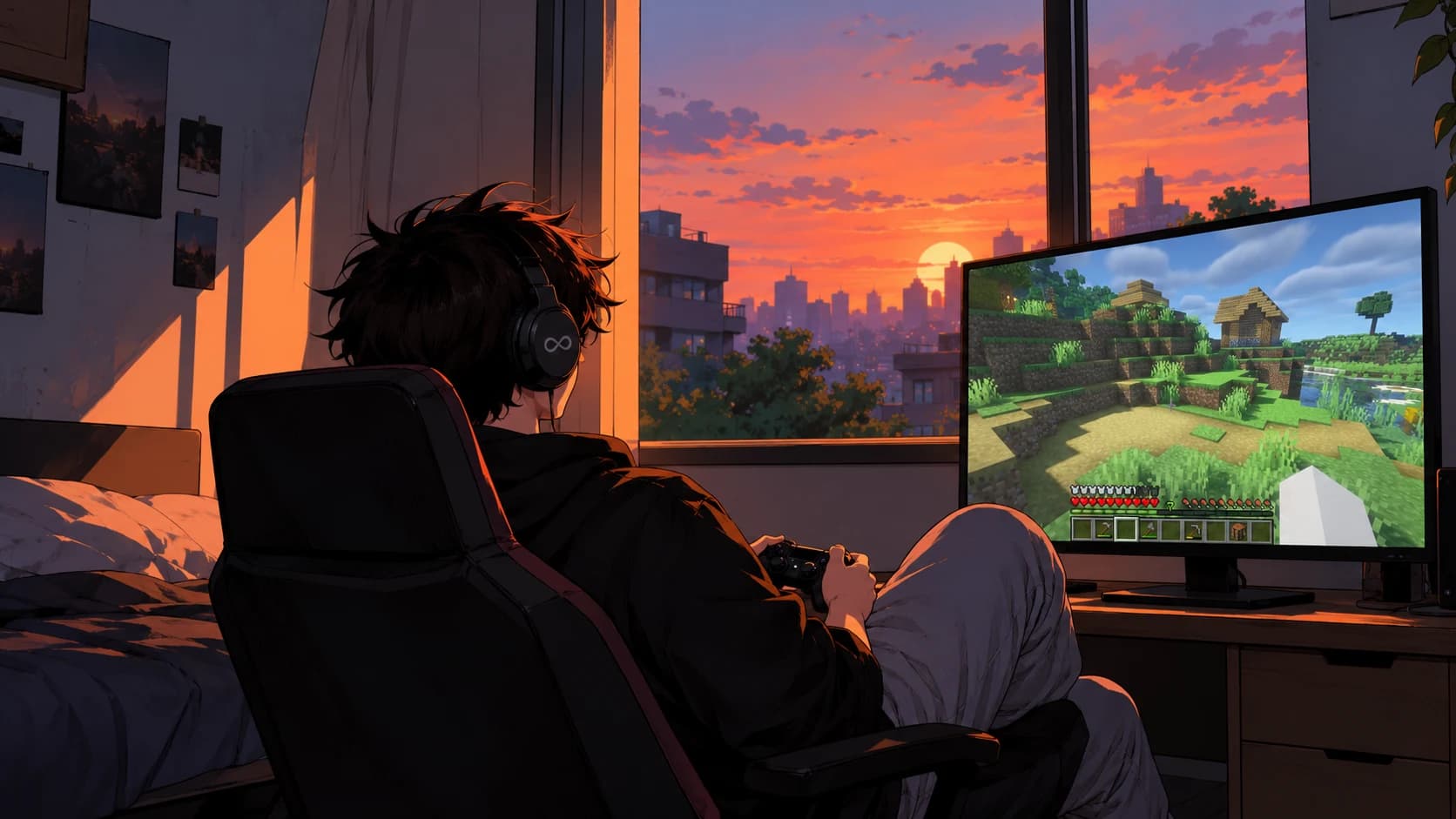
After a difficult exam, conversation, or day at work, a game can offer a welcome change of focus. Building a shelter, solving a puzzle, or helping a friend finish a level gives you a clear task to settle into for a while.
Gaming can be part of a relaxing evening. Pay attention to how you feel afterwards: rested and ready to return to your day, or more frustrated and tired. That matters more than whether you won the last match.
CHOOSE
Pick the experience that fits your mood.
CONNECT
Spend time with people you enjoy.
PAUSE
Leave room for sleep, movement, and meals.
RETURN
Notice how you feel after you stop.
THE RESEARCH HAS NUANCE
A 2024 study in Nature Human Behaviour used console lotteries in Japan during 2020–2022 as a natural experiment. It found improvements in mental well-being associated with gaining access to consoles and playing games. The effects varied between consoles and groups of participants. Its pandemic setting matters; it is not a promise that every game will reduce every person’s stress.[1]
A separate Oxford-led study in 2022, using play data from nearly 39,000 adult players, found little to no evidence that time spent playing caused changes in well-being. Together, these findings argue against a simple formula of more hours equals more happiness. The experience and the person matter.[2]
So treat gaming as a leisure activity you can reflect on, rather than a prescribed treatment. Enjoyment, choice, and the way a session fits into your life are more useful starting points than chasing a universal number of hours.
YOUR RESET DOESN’T NEED A RANK
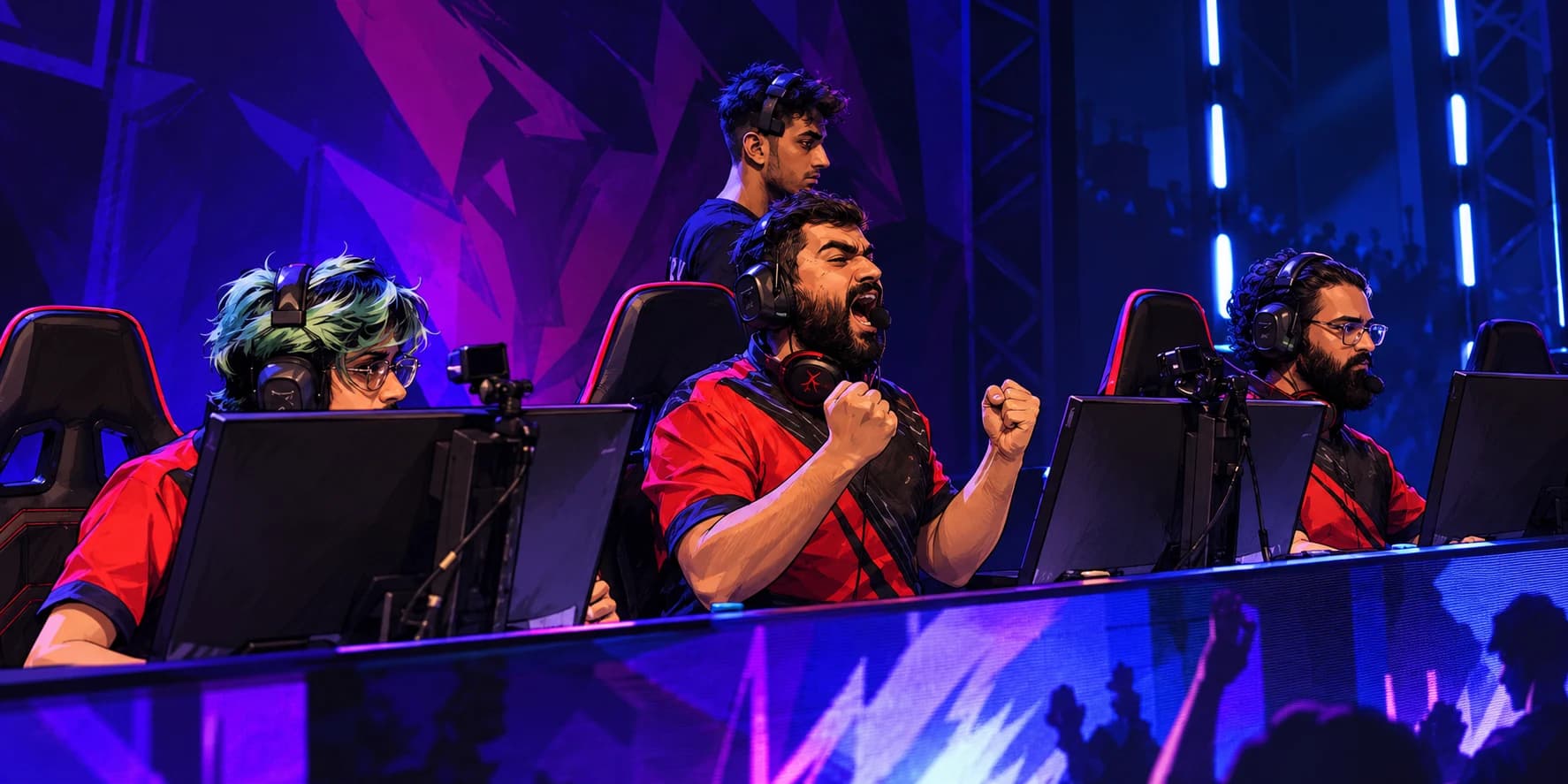
If competition leaves you tense, another ranked match may not be the break you need. You could try a slower exploration game, a creative Minecraft build, a puzzle, or a familiar single-player story. The point is to choose an experience you actually want, rather than another task you feel obliged to finish.
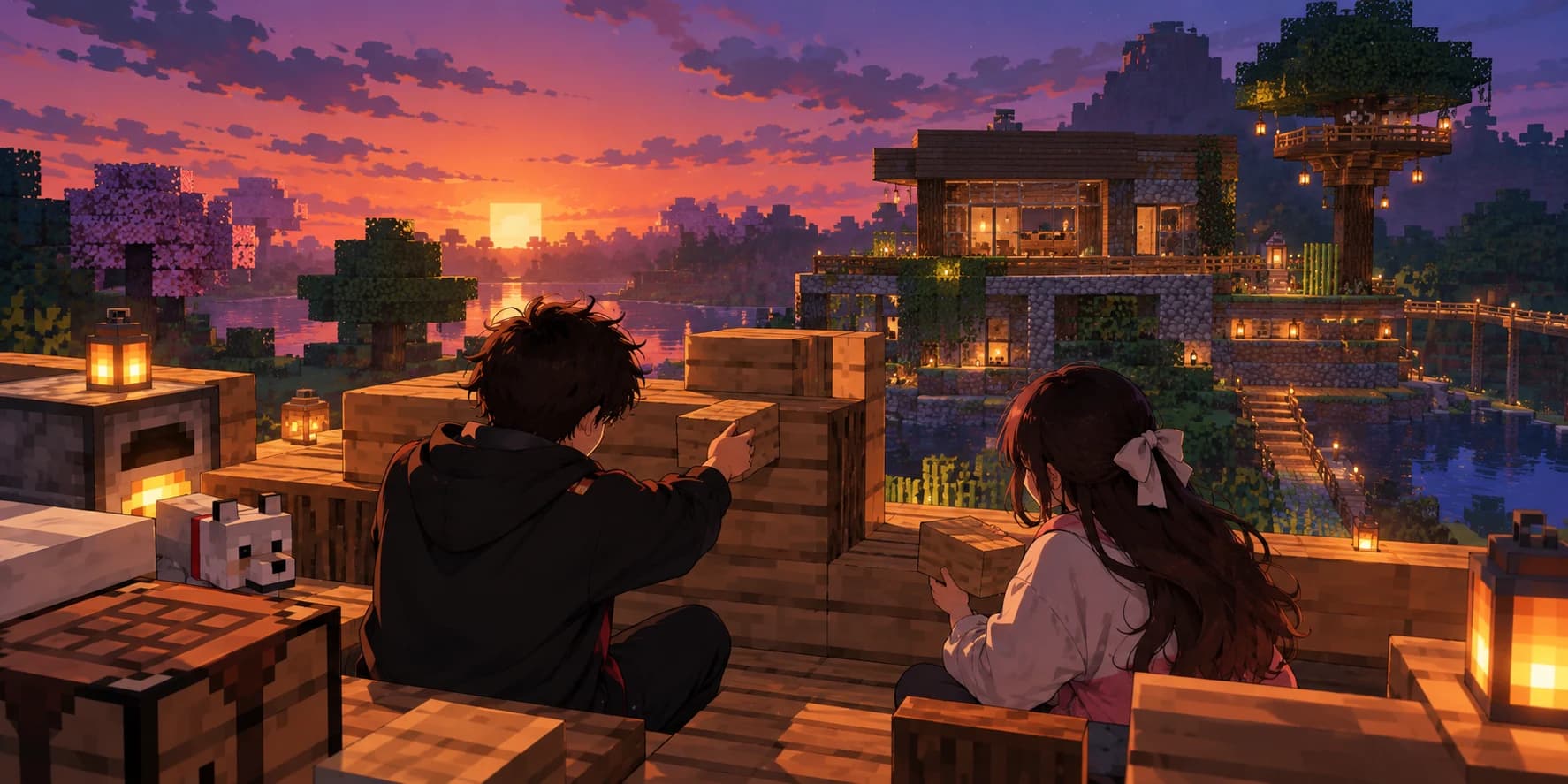
A shared experience can also be a reason to spend time with friends. Co-op does not have to mean chasing perfect results. It can mean laughing at a missed jump, building something ridiculous, or simply talking while you play. Choose company that makes the session enjoyable; mute or leave spaces that turn it into an argument.
KEEP THE REST OF YOUR LIFE IN THE LOOP
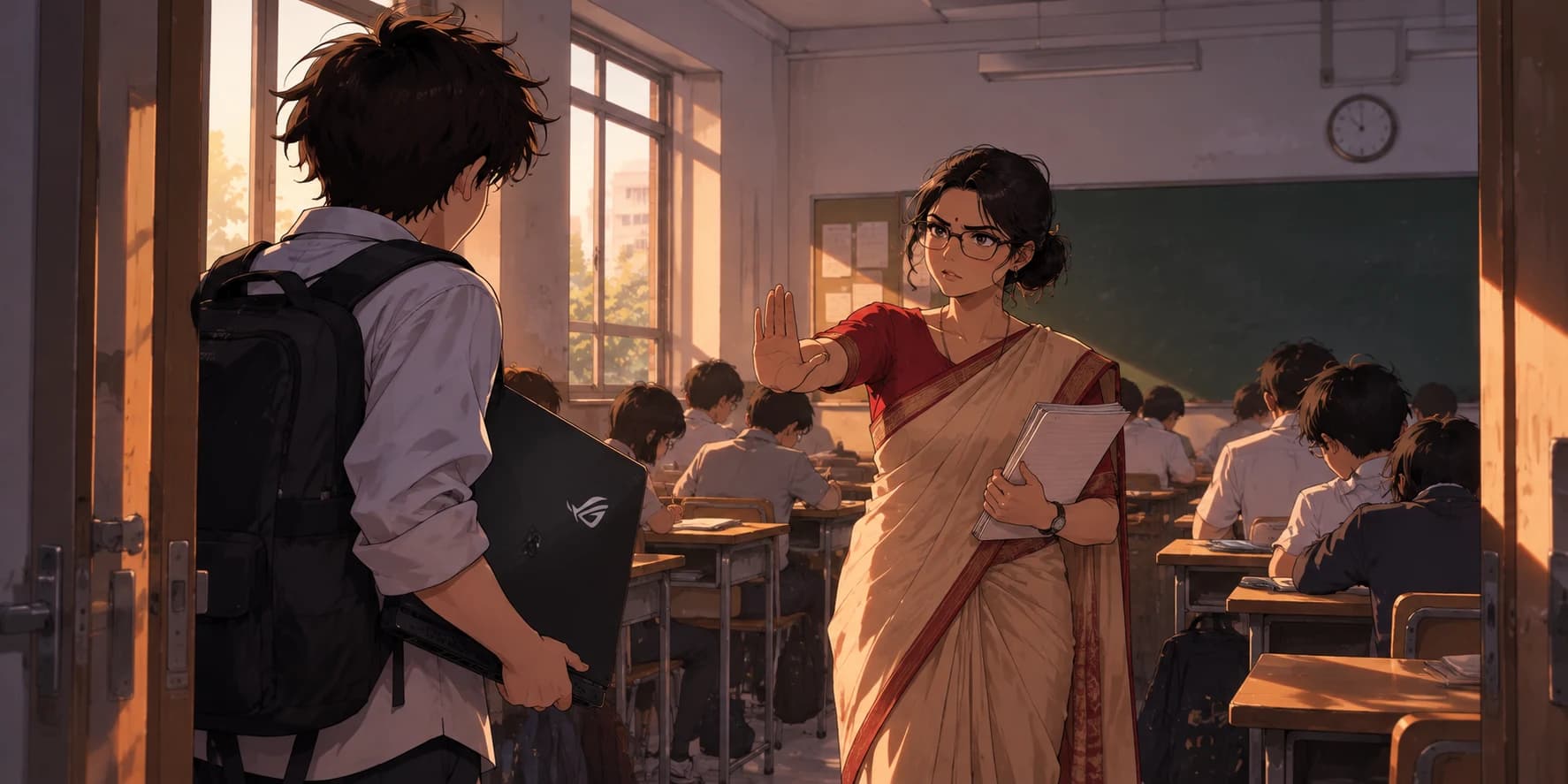
Before starting, decide where the session fits: after a task, between commitments, or during an evening with friends. Choose a stopping point you can recognise. When you finish, check whether you still have time for the people, responsibilities, and rest that matter to you.
The WHO describes gaming disorder through impaired control, increasing priority over other activities, and continuing despite harmful consequences, with significant disruption to everyday functioning. That is different from simply enjoying games or playing frequently. If gaming repeatedly disrupts your life, or distress persists beyond it, talking to a qualified professional can help.[3]
BRING THE CALM BACK WITH YOU
After the final match, do one small thing that reconnects you with the day: stretch, get a drink, message a friend, or write down the next task. You do not have to solve every tension in one evening. A break can still be useful when it helps you return with a little more room to think.
At INFIRALS, we value spending time with other players as much as playing the game. Enjoy the session, look out for one another, and leave time for your responsibilities and rest.